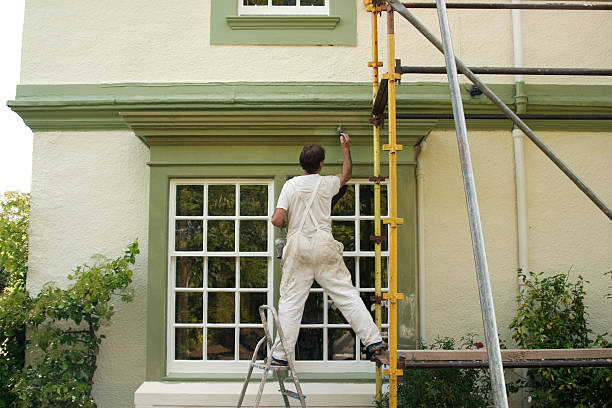
Selecting the right painting company is a critical decision, especially if your goal is to enhance your property’s value. A beautifully painted property not only improves its aesthetic appeal but also increases its marketability and overall worth. Here’s how you can make an informed choice when selecting a professional painting company.
Assess Their Experience and Reputation
- Years in Business: Companies with a long track record often have proven expertise and reliability.
- Portfolio of Work: Review their previous projects to ensure they align with your vision and standards.
- Customer Reviews and Testimonials: Look for feedback from past clients on platforms like Google, Yelp, or the company’s website to gauge their reputation.
Verify Credentials and Certifications
- Licensing compliance for your state or region.
- Adequate liability insurance in case of damages during the project.
- Membership in professional organizations (e.g., Painting Contractors Association) as proof of commitment to quality work.
Evaluate Their Services and Expertise
- Comprehensive interior and exterior painting services tailored to residential or commercial needs.
- Expertise in specific techniques such as faux finishes, textured walls, or eco-friendly paint options.
- Preparation services like power washing, scraping, sanding, caulking, or priming before applying paint for optimal results.
Compare Quotes Strategically
| Criteria | What to Look For |
| Scope of Work | Ensure the quote clearly outlines all tasks included (e.g., prep work, materials). |
| Quality of Materials | Confirm if they plan to use premium paints that last longer over time. |
| Timeline | Identify whether their proposed timeline aligns with your schedule expectations. |
Benefits of Partnering With Professionals Over DIY Approaches
1) Efficiency – Professionals complete jobs faster without compromising quality. 2) Reduced Risks – Avoid accidents/errors thanks-to expert handling/tools-use knowledge
Finding the Best Painters Northwest Ohio for Professional Results
When it comes to hiring a painting company, evaluating local options is critical to ensuring high-quality results. A professional painting job not only enhances the aesthetics of your property but can also protect surfaces and increase property value. Below are essential steps, tips, and considerations to guide you in evaluating local painting companies effectively.
Discover Top-Quality Painting Services Northwest Ohio Offers
- Online Reviews: Visit trusted websites like Google Reviews, Yelp, or Angi (formerly Angie’s List) to assess customer feedback. Look for patterns in reviews rather than individual complaints or praises.
- Word of Mouth: Ask friends, family, or neighbors for recommendations based on their personal experiences with professional painters.
- Local Directories: Use community directories or local business listings to narrow down nearby contractors who specialize in residential or commercial projects.
Evaluating Credentials and Experience for House Painting OH
- Licensing: Check whether the contractor is licensed in your state or municipality according to local regulations. A license ensures that the company adheres to specific quality and safety standards.
- Insurance Coverage: Confirm that the company carries both liability insurance and workers’ compensation insurance to protect you from unexpected costs related to property damage or injuries during the project.
- Years of Experience: Contractors with extensive experience are more likely to deliver consistent results. Look for companies that specialize in the type of painting work you need—residential interiors, exteriors, commercial spaces, etc.
| Credential | Why It’s Important |
| Licensing | Confirms legal authorization to operate |
| Liability Insurance | Protects against property damage claims |
| Workers’ Compensation | Covers injuries sustained during the project |
| Industry Certifications | Demonstrates expertise and adherence to standards |
Evaluating Interior Painting Portfolios and Services
A reputable painting company should be able to showcase past work through photos or case studies of completed projects. Reviewing their portfolio allows you to evaluate their style, attention to detail, and suitability for your project.
- Surface preparation (e.g., cleaning, sanding)
- Color consultation based on design trends
- Use of eco-friendly paints and materials
- Detailed clean-up after job completion
Tips for Choosing the Best Exterior Painting Services
- Request detailed quotes from at least three contractors.
- Review itemized cost breakdowns (labor, materials, additional fees).
- Understand warranty terms—does it cover defects like peeling paint? For how long?
Evaluating these elements will help you select a contractor who prioritizes professionalism while delivering value for money.
Key Questions to Ask Before Hiring a Painting Contractor
1. Are You Licensed and Insured?
- Verify whether the contractor holds a valid painting license, as this demonstrates their knowledge of industry standards.
- Ask for proof of insurance, including both liability insurance and worker’s compensation coverage.
- Why it matters: Insurance protects you from liability in case of accidents or property damage during the project.
2. What is Your Experience with Projects Similar to Mine?
- Inquire about their experience with residential or commercial properties, depending on your needs.
- Confirm whether they have handled projects requiring specialized skills, such as textured walls or high ceilings.
- Why it matters: Experienced contractors are more likely to deliver quality results while addressing unique challenges.
3. Can You Provide References or Examples of Past Work?
- Request contact information for past clients or a portfolio showcasing completed projects.
- Look for before-and-after photos if available, paying attention to details like clean lines and smooth finishes.
- Why it matters: References and portfolios help you assess their workmanship and reliability.
4. What Products and Materials Will You Be Using?
- Ask about the brands, types, and quality of paints they plan to use.
- Check if they provide low-VOC (volatile organic compounds) options for environmentally friendly painting solutions.
- Why it matters: High-quality materials ensure long-lasting results while promoting health and safety.

Example Table of Questions
| Question | Why It’s Important | Suggested Follow-Up |
| Are you licensed and insured? | Protects against liability | Can I see proof of insurance/licensing? |
| What is your experience with similar jobs? | Assesses expertise | Can you explain how you approach projects like mine? |
| Can you provide references or examples? | Evaluates workmanship | May I contact past clients directly? |
| What products will you use? | Ensures durable results | Do you offer eco-friendly paint options? |
5. What Does Your Warranty Include?
- Understand what is covered under their warranty—labor, materials, or both—and its duration.
- Confirm how issues like peeling or fading will be addressed post-project completion.
- Why it matters: A strong warranty reflects confidence in their work and provides peace of mind.
6. What Steps Will You Take for Surface Preparation?
- Clarify how they will handle cleaning, sanding, priming, patching holes, etc.
- Why it matters: Proper preparation ensures smooth application and prevents future problems like chipping or uneven surfaces.
7. What is Your Project Timeline?
- Discuss the expected start date, duration of work, and potential delays due to weather or material availability.
- Why it matters: A clear timeline helps manage expectations and minimizes inconvenience during the process.
By asking these key questions before hiring a painting contractor, you’ll be better equipped to select a professional who aligns with your goals and delivers high-quality results within your budget.
Understanding Pricing, Quotes, and Budgeting for Your Painting Project
Planning a painting project for your property is an investment that requires careful financial consideration. Understanding how pricing works, what quotes entail, and how to establish a realistic budget can make the process smoother and more predictable. Below are key aspects to consider when navigating this part of the project.
Breaking Down Painting Costs
- Labor Costs: Labor typically accounts for the largest portion of painting expenses. Professional painters charge either by the hour or per square foot.
- Materials: Paint products and supplies such as brushes, rollers, drop cloths, and primer contribute to the total cost. Higher-quality paint will increase your budget but often provides better durability.
- Preparation Work: Patching holes, sanding surfaces, cleaning walls, or repairing damage adds to the cost but is crucial for achieving a professional finish.
- Additional Services: Some projects may include extras like wallpaper removal or baseboard painting that require additional fees.
How to Evaluate Quotes
| Component | Description | Importance |
| Cost Breakdown | Detailed labor charges and material costs | Provides transparency in understanding where your money is going |
| Paint Specifications | Brand, type (e.g., latex or oil-based), finish (e.g., matte or gloss), and number of coats | Ensures you get what you’re paying for in terms of product quality |
| Timeline | Estimated start date, duration of work, and completion date | Helps plan around your schedule |
| Warranties/Guarantees | Information on service guarantees or paint warranties | Indicates confidence in their workmanship |
Pro tip: It’s always advisable to obtain at least three quotes from different contractors so you can compare not only prices but also levels of detail.
Tips for Budgeting Effectively
- Determine whether the entire house needs to be painted or just specific rooms.
- Consider whether exterior work is also required.
- Allocate extra funds (10–15% of your budget) for unexpected issues like unforeseen repairs.
- Avoid selecting contractors solely based on low pricing; instead focus on their reputation and quality assurances.
| Item | Estimated Cost Range |
| Labor | $35–$55 per hour |
| Paint (per gallon) | $25–$60 |
| Prep & Repairs | Varies ($100–$500+) |
| Miscellaneous Supplies | $50–$200 |
Questions to Clarify Pricing Details
- What specific tasks are covered by this price?
- Will additional coats cost extra?
- Are preparation tasks like sanding or priming included?
- Do you charge additional fees if there are unexpected delays?
Understanding all aspects related to pricing and budgeting allows homeowners to make informed decisions while working within financial constraints. Careful planning leads not only to better results but also fewer surprises along the way.
Factors That Impact the Quality of a Professional Painting Job
When considering a professional painting project, several factors play a critical role in determining the final quality. From the materials used to the expertise of the painter, each element contributes to achieving a durable and visually appealing outcome. Understanding these factors can help ensure your investment delivers long-term value.
1. Type and Quality of Paint
- Acrylic Paints: Known for their versatility and durability, acrylic paints work well for both interior and exterior surfaces.
- Oil-Based Paints: These paints offer a smoother finish but may take longer to dry. They are ideal for areas requiring more durability, such as trim or high-traffic zones.
- Low-VOC or Zero-VOC Paints: These environmentally friendly options reduce odors and harmful emissions during application, making them safer for indoor use.
Investing in high-quality paints ensures better coverage, fewer coats required, and longer-lasting results.
2. Surface Preparation
- Cleaning surfaces to remove dirt, grease, or mildew ensures proper adhesion.
- Repairing cracks, holes, or imperfections creates an even working surface.
- Sanding uneven areas helps smooth out textures while improving paint application.
- Priming surfaces prevents stains from bleeding through and enhances color vibrancy.
Skipping these steps can result in peeling paint or uneven finishes down the line.
3. Tools Used by Professionals
| Tool | Purpose | Impact on Job Quality |
| High-quality brushes | Ideal for intricate details | Produces sharp lines and minimizes streaking |
| Rollers with appropriate nap | Best for large flat surfaces | Provides even coverage without marks |
| Spray equipment | Efficient for large projects | Creates smooth finishes on walls or ceilings |
Opting for professional-grade tools allows for precision work that stands out over time.
4. Skill Level of Painters
- Attention to Detail: Skilled painters pay close attention to edges, corners, and transitions between colors.
- Knowledge of Techniques: Professionals understand advanced techniques such as cutting-in or blending shades seamlessly.
- Speed vs Accuracy Balance: Experienced painters manage time effectively without compromising quality.
Hiring certified or well-reviewed contractors ensures expertise that aligns with your project’s needs.
5. Environmental Conditions During Application
- High humidity can delay drying times and lead to uneven finishes.
- Extremely hot temperatures may cause premature drying that affects adhesion.
- Windy conditions can blow dirt onto wet paint surfaces.
For interior projects, maintaining proper ventilation during painting helps improve drying times while reducing lingering odors.
By considering these factors carefully—from material selection to professional skills—you can maximize both aesthetic appeal and longevity in any painting project you undertake.

The Importance of Proper Preparation Work in Achieving a Flawless Paint Finish
Proper preparation work is the foundation of a successful painting project. Without adequate prep, even the highest-quality paint and skilled application won’t deliver the desired results. Here’s an overview of why preparation matters, key steps involved, and common mistakes to avoid.
Why Preparation Work is Crucial
- Ensures Better Paint Adhesion: A properly prepared surface allows paint to stick more effectively, reducing issues like peeling or bubbling over time.
- Enhances Appearance: Smooth surfaces, free of imperfections, result in a more professional look and even finish.
- Increases Durability: Prep work helps the paint withstand daily wear and tear, extending its lifespan.
- Saves Time and Money Long-Term: Addressing problems upfront minimizes the likelihood of costly repairs or touch-ups after the paint job is complete.
Steps for Proper Preparation Work
- Identify cracks, holes, or peeling paint that may need attention.
- Assess whether there’s mold, mildew, or water damage that must be addressed before painting.
- Remove dirt, grease, or dust that can prevent proper adhesion.
- Wash walls with soap and water or use trisodium phosphate (TSP) for tougher stains.
- Fill nail holes or cracks with spackle or caulk as needed.
- Sand rough areas to ensure a smooth surface for painting.
- Scrape loose or flaking paint using a putty knife or sanding tools.
- Use chemical strippers if dealing with stubborn layers of old paint on wood surfaces.
- Cover floors and furniture with drop cloths.
- Use painter’s tape to mask off edges around trim, windowsills, and other non-painted areas.
- Prime Surfaces When Needed
| Situation | Prime? | |———————————-|———–| | New drywall | Yes | | Dark-colored walls being repainted light | Yes | | Glossy surfaces | Yes | | Previously painted in similar color | Optional |
Mistakes to Avoid During Preparation
- Skipping surface cleaning: Residual dirt can compromise adhesion regardless of how good the primer is.
- Ignoring repairs: Even minor imperfections can stand out once painted over.
- Using low-quality materials: Cheap fillers and primers may lead to subpar results.
- Rushing through sanding steps: Uneven textures are difficult to hide under new coats of paint.
Final Thoughts on Preparation
Investing time in thorough preparation creates the foundation for a flawless finish that not only enhances aesthetics but also ensures longevity for your painting project results. By following proper prep techniques systematically—cleaning surfaces, repairing damages, priming when necessary—you’ll achieve professional-grade outcomes that elevate your property’s visual appeal and value effectively without unnecessary rework later down the line.
- 5 Essential Tips for Choosing Painting Services Northwest Ohio Homeowners Trust
- Finding the Best Painting Company Ohio Has to Offer to Boost Your Property Value
- Expert Tips for Choosing the Right Painting Company Ohio for Your Home or Business
- Essential Factors to Consider When Hiring a Painting Company Ohio Residents Trust
- Discover Top-Notch House Painting OH Services for Your Home
- Finding the Right Painting Company Ohio: A Complete Guide to Expert Services
- Tips for Choosing the Best Painters Northwest Ohio for Your Home